
Keep the screen on while you watch.
Pascal Saint Amans
Part of the event pack
FIT conference 2025 →
Sign in to track your progress through this course.
 1:11:40Audio: English. Captions: English, Chinese (Simplified), Malay, Indonesian.1. Luisa Scarcella
 22:34Audio: English. Captions: English, Chinese (Simplified), Indonesian.2. Vikram Chand
 16:45Audio: English. Captions: English, Chinese (Simplified), Malay, Indonesian.3. Sriram Govind
 7:02Audio: English. Captions: English, Chinese (Simplified), Malay, Indonesian.4. Robert Danon
 26:19Audio: English. Captions: English, Chinese (Simplified), Malay, Indonesian.5. Professor Craig Eliffe's Klaus Vogel
 18:24Audio: English. Captions: English, Chinese (Simplified), Malay, Indonesian.6. Prof Guglielmo Maisto
 9:38Audio: English. Captions: English, Chinese (Simplified), Malay, Indonesian.7. Pramod Kumar
 12:11Audio: English. Captions: English, Chinese (Simplified), Malay, Indonesian.8. Philip Baker
 9:20Audio: English. Captions: English, Chinese (Simplified), Malay, Indonesian.9. Pascal Saint Amans
 26:28Audio: English. Captions: English, Chinese (Simplified), Malay, Indonesian.10. Monique Van Herksen
 33:54Audio: English. Captions: English, Chinese (Simplified), Malay, Indonesian.11. Manal Corwin
 3:31Audio: English. Captions: Chinese (Simplified), English, Malay, Indonesian, Tamil.12. Isabel Verlinden
 16:33Audio: English. Captions: English, Chinese (Simplified), Malay, Indonesian.13. Giammarco Cottani
 19:16Audio: English. Captions: English, Chinese (Simplified), Indonesian, Malay, Hindi, Tamil.14. Dr Achim Pross
At a glance
Category
International Tax
Duration
9:20
Access
Free
The session opened with a purposeful video address by the Chair, Pascal Saint-Amans. He reminded the audience of the historic trajectory that brought the OECD and the UN to the centre of international tax governance: an early OECD-led technical architecture that expanded into global standards, the later emergence of UN activity driven by developing country concerns over source taxation, and the dramatic acceleration of multilateral work once harmful tax practices and tax transparency became central policy problems. He urged participants to rise above rhetorical polarities and to recognise two complementary facts — (i) the OECD’s consensus-driven work has produced binding changes for those who opt in via the Inclusive Framework, and (ii) the UN’s intergovernmental route, while majoritarian and politically charged, can set broader agendas and address issues such as carbon taxation and competition policy that the OECD may be less well placed to lead. In essence, the Chair called for pragmatic cooperation between the two systems, clarity of agenda, and an end to polarising rhetoric so that technical expertise and political legitimacy can be combined to deliver workable global outcomes.
TaxTOC
More videos


Session 2: Origin, Tariffs and Controls - International Trade Developments in Indonesia, the Philippines and Vietnam
International Tax · 2:39:33

Global Taxation at a Crossroads: Competition, Cooperation & Tax Policy | Prof. Wolfgang Schön
International Tax · 9:51

Is There Really an International Tax System? | Prof David Rosenbloom on Pillar Two, Treaties & AI
International Tax · 12:02
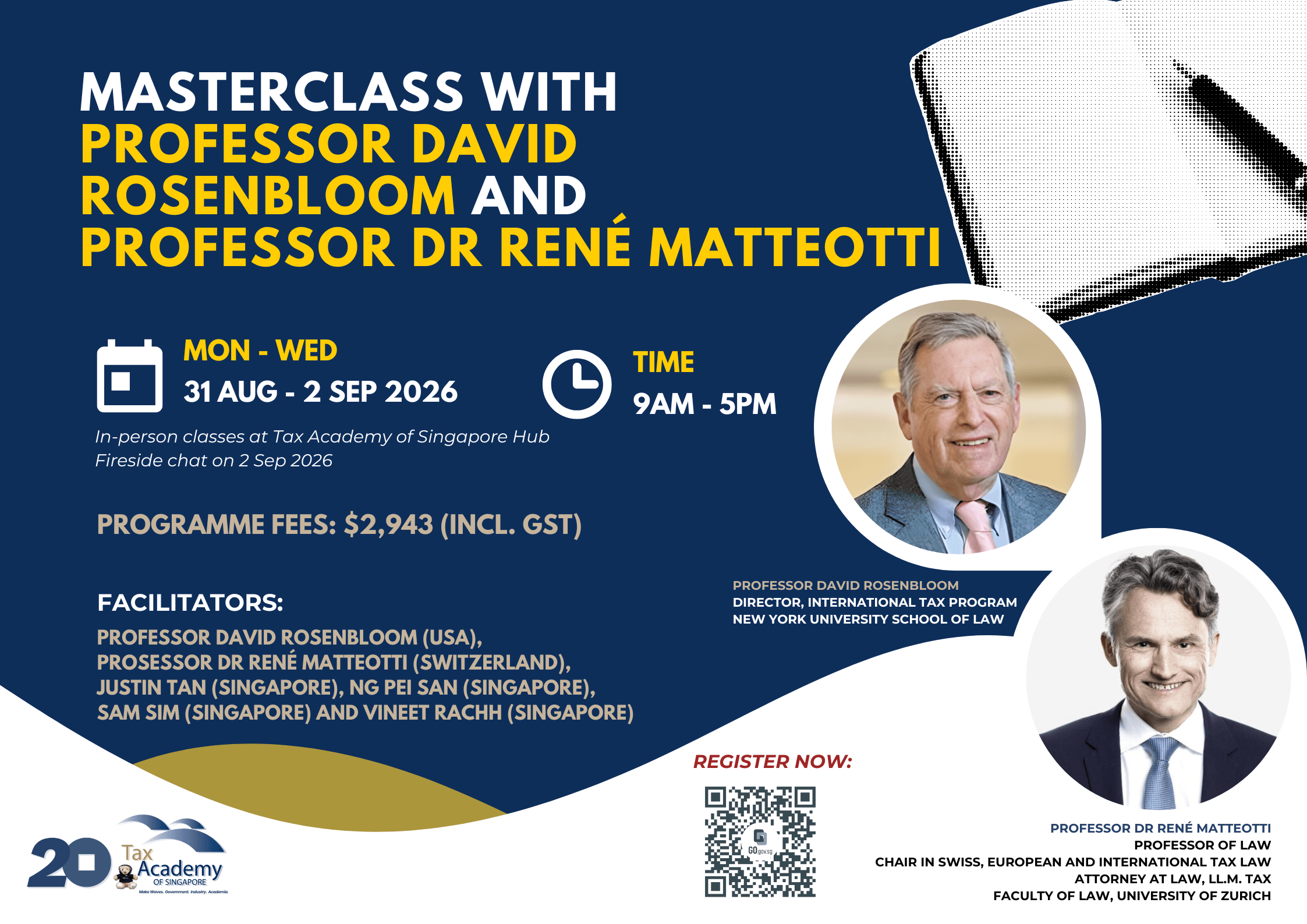
Session 4: Treaties – Foundations
International Tax · 3:37:26
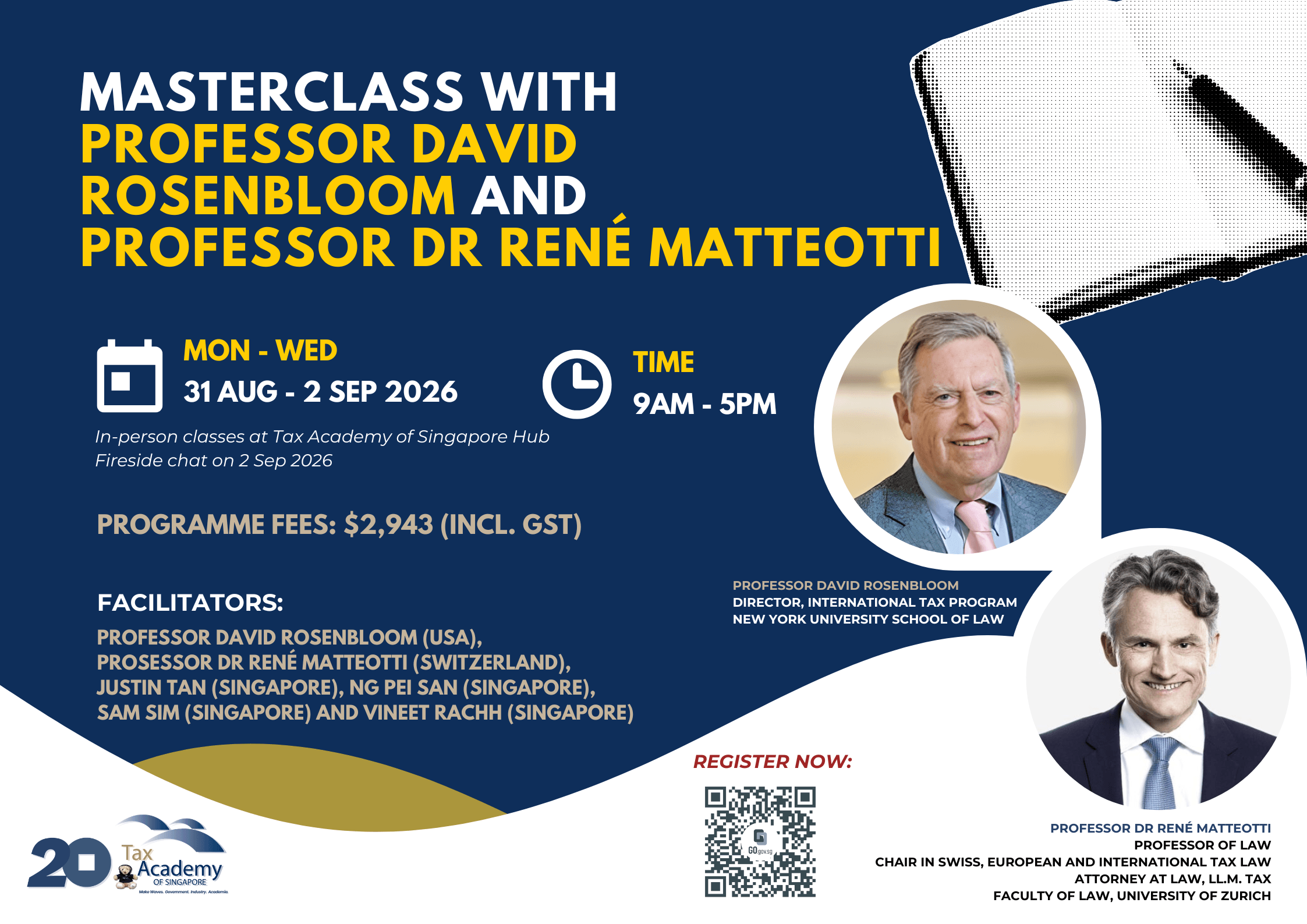
Session 1: The Making of International Tax Policy
International Tax · 2:50:35