
Module 2 - International Allocation of Taxing Powers
Part of the course: International Tax Law and Policy →About
Overview
countries and critically evaluates their underlying tax policy rationales and consequences. Students will analyse key features of the OECD Model Tax Convention, the UN Model Tax Convention, and the Multilateral Instrument (MLI), with particular emphasis on how these instruments balance residence‑ and source‑based taxation, address base erosion and profit shifting (BEPS), and reflect the interests of developed and developing countries.
A central focus will be the role and purpose of tax treaties as tools for eliminating double taxation while preventing double non‑taxation, and the extent to which current standards promote efficiency, equity, and legal certainty in cross‑border activity. The module will explore the design and policy objectives of permanent establishment rules and treaty anti‑abuse measures—such as the Principal Purpose Test (PPT), Limitation on Benefits (LOB) clauses, and special rules on tax transparent entities—and assess their effectiveness in countering treaty shopping and aggressive tax planning.
Finally, students will examine the operation of double taxation relief mechanisms and dispute resolution procedures, including MAP and arbitration, from a tax policy perspective, considering their impact on taxpayer rights, fiscal sovereignty, administrative capacity, and the broader legitimacy of the international tax regime.
At a glance
Category
International Tax
Duration
2:05:44
Access
Free
TaxTOC
More videos
Session 1: The Dawn of the Global 15% Minimum Effective Tax Rate Era and International Tax Developments in Indonesia, the Philippines and Vietnam
International Tax
Session 2: Origin, Tariffs and Controls - International Trade Developments in Indonesia, the Philippines and Vietnam
International Tax

Is There Really an International Tax System? | Prof David Rosenbloom on Pillar Two, Treaties & AI
International Tax · 12:02
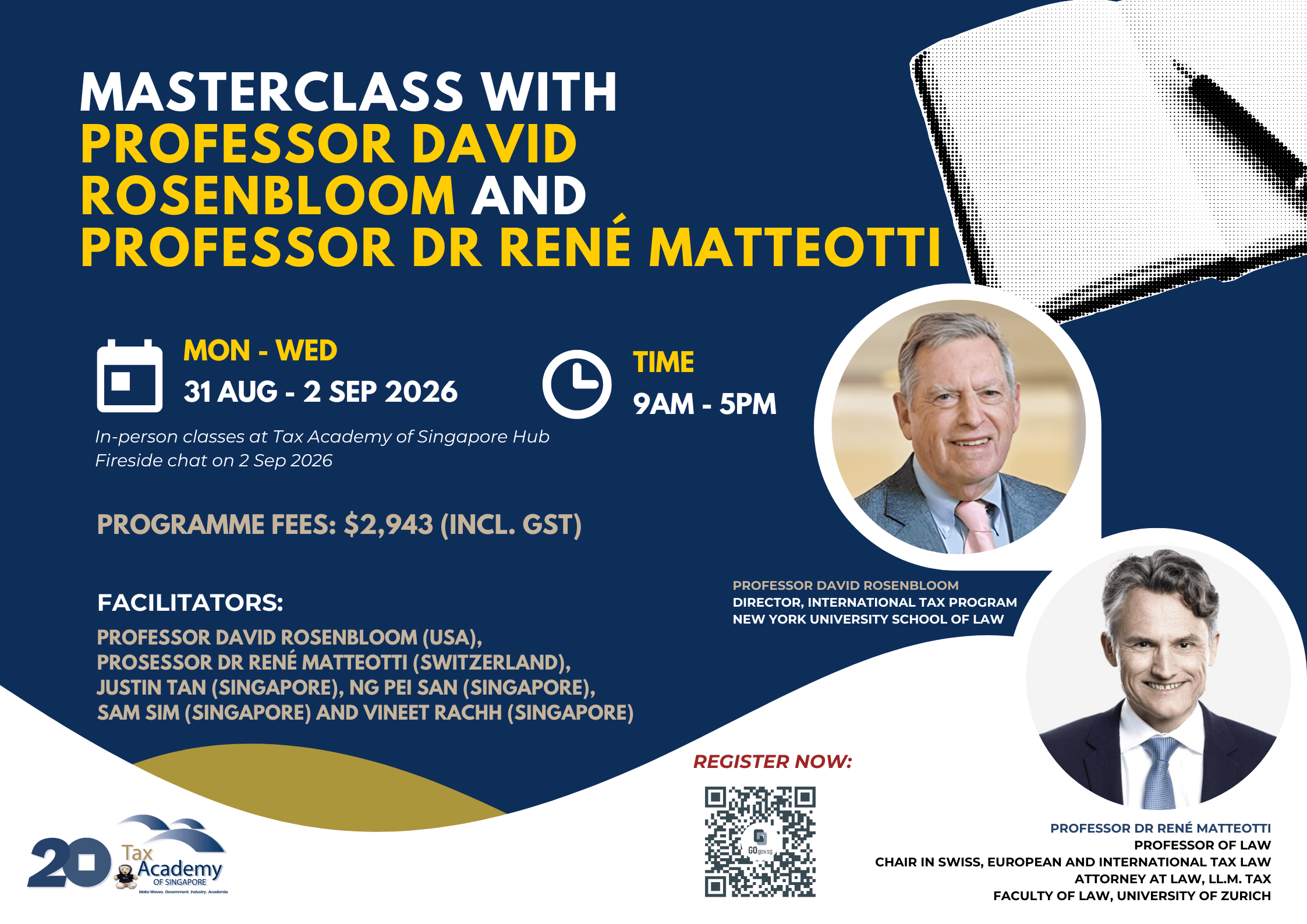
Session 4: Treaties – Foundations
International Tax · 3:37:26
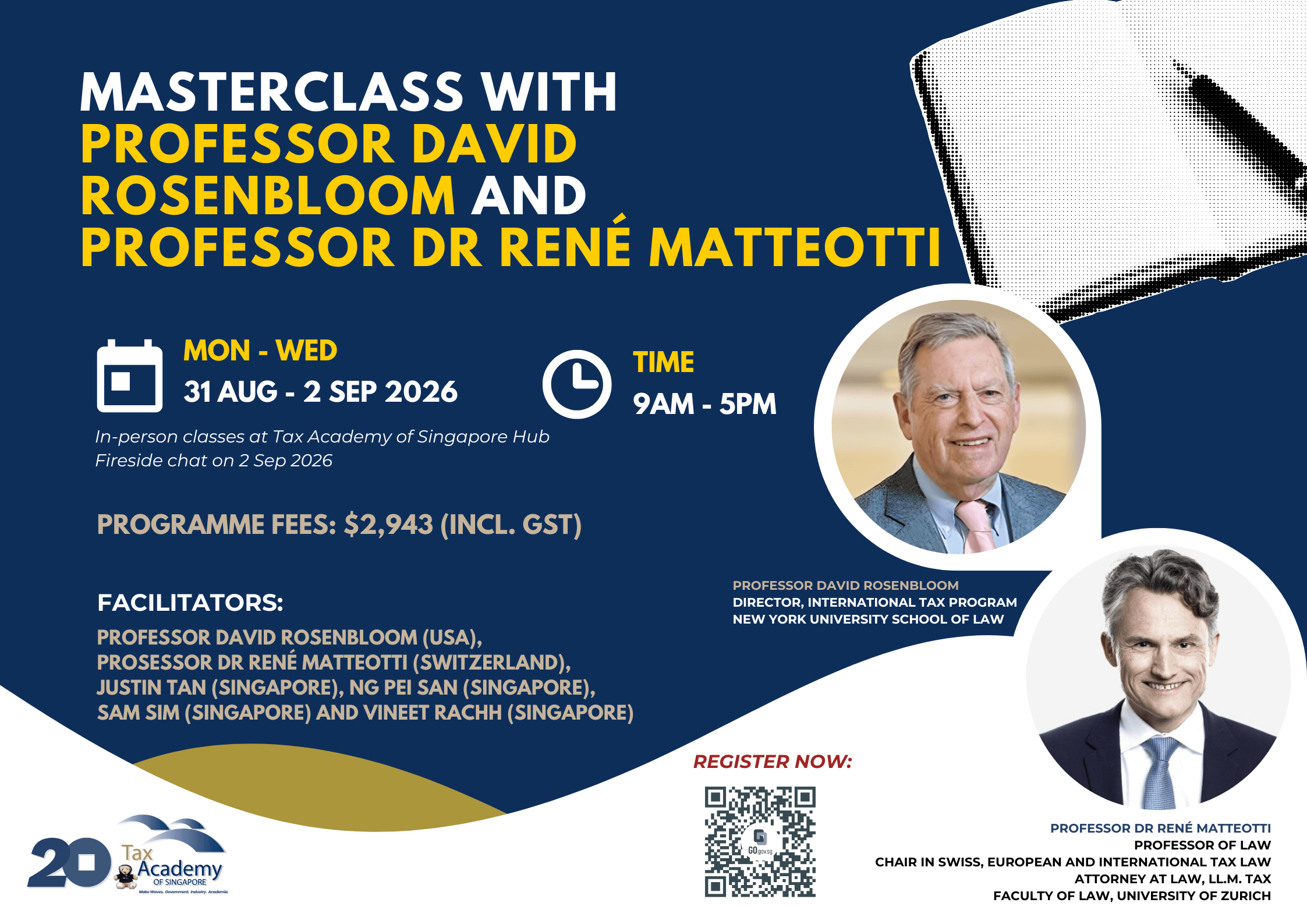
Session 1: The Making of International Tax Policy
International Tax · 2:50:35

Module 5 - New International Tax Law Standards
International Tax · 2:13:30